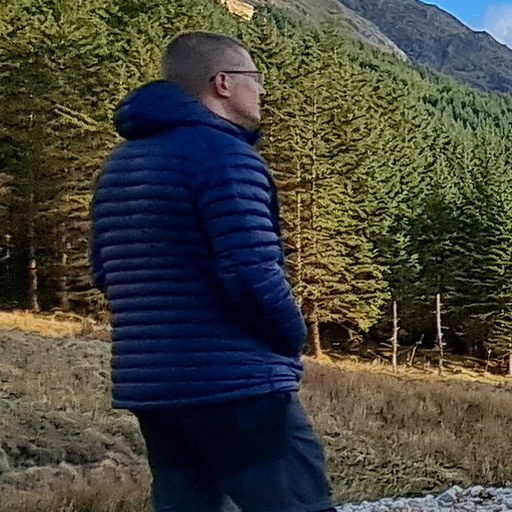
The best hikes in the Scottish Highlands in 2026 include the 117-km Great Glen Way from Fort William to Inverness along Loch Ness, the 154-km West Highland Way, and Munro summits like Ben Nevis at 1,345 m. The Highlands pack long-distance trails, lochside walks and peak-bagging into one compact, wild region.
The Scottish Highlands are Britain's premier hiking destination: glaciated glens, 282 Munros over 914 m, and waymarked long-distance trails that thread between them. Weather is the defining factor — even in summer you plan for rain and wind — but the reward is some of the most atmospheric walking in Europe, all within a few hours of Glasgow or Inverness. This guide ranks the routes worth your time. The full data for the headline trail is in our Great Glen Way route guide.
What are the best long-distance hikes in the Highlands?
- Great Glen Way — 117 km from Fort William to Inverness over 5–7 days, following the Caledonian Canal and Loch Ness. Easy-to-moderate, around 1,700 m of total ascent.
- West Highland Way — 154 km from Milngavie to Fort William, Scotland's most popular long-distance route, moderate over 7–8 days.
- Cape Wrath Trail — roughly 370 km of unmarked wilderness, the UK's toughest long walk, for experienced navigators only.
- Ben Nevis — Britain's highest mountain at 1,345 m, a long but non-technical day climb via the Mountain Track.
Why is the Great Glen Way the best Highlands starter trail?
The Great Glen Way follows a natural fault line across Scotland, linking Fort William and Inverness via Loch Lochy, Loch Oich and the famous Loch Ness. It is largely low-level, on towpaths and forest tracks, with optional high-level alternatives for views over the lochs. At 117 km and about 1,700 m of total ascent, it is an ideal first multi-day trail — challenging enough to feel like an achievement, gentle enough for less-experienced hikers, as our Great Glen Way difficulty guide explains.
How do the Highlands compare to other British trails?
The Great Glen Way is comparable in difficulty to England's Hadrian's Wall Path — both are well-supported, mostly low-level long-distance trails finishable in under a week. We put the two head to head in our Great Glen Way vs Hadrian's Wall Path comparison. For wider British options see our best long-distance hikes in England guide.
What gear suits Highland weather?
Scottish weather demands a waterproof shell and warm layers in every season. Since the Great Glen Way uses village and town accommodation, a 35–45 L pack is plenty — the Fjallraven Abisko Hike 35 handles the load and the rain, while wild campers on remoter routes need a larger pack like the Osprey Atmos AG 65 or a waterproof Hyperlite 2400 Windrider for the persistent drizzle. Full picks are in our Great Glen Way packing list.
When is the best time to hike in the Highlands?
May and September are the sweet spots: long days, lower rainfall and fewer midges than midsummer. June to August is warmest but brings the notorious Highland midge to still, damp areas. Winter walking is for experienced parties only. We go month by month in the Great Glen Way season guide. Current route conditions and access advice for 2026 are published by Scotland's nature agency NatureScot, and mountain weather forecasts by the Met Office.
How to plan a Highlands hiking trip for 2026
- Fly into Glasgow, Edinburgh or Inverness, then use rail and bus links to trailheads.
- Choose the Great Glen Way or West Highland Way for a first long-distance walk.
- Book accommodation ahead in May, June and September.
- Always pack full waterproofs and check the mountain forecast daily.
How do you get around the Scottish Highlands?
The Highlands are more accessible by public transport than their wildness suggests. The scenic West Highland Line railway runs from Glasgow to Fort William and on to Mallaig, dropping walkers at the start of both the Great Glen Way and the West Highland Way. Inverness, at the northern end of the Great Glen Way, is a major rail and bus hub with direct trains to Edinburgh, Glasgow and Aberdeen, and Citylink coaches connect Fort William, Fort Augustus and Inverness along the glen.
For trailheads off the rail network, regional buses and the occasional postbus fill the gaps, though services thin out in remote glens, so check timetables before relying on them. Many hikers base a trip around the Glasgow-Fort William-Inverness corridor precisely because it needs no car. Baggage-transfer services also operate on the popular long-distance trails, letting you walk with a light daypack and meet your main bag each evening.
This ease of access is part of why the Great Glen Way makes such a good introduction, as our Great Glen Way difficulty guide explains. The full route logistics are in the Great Glen Way route guide, and the comparison with England's Hadrian's Wall Path covers transport at both ends.
What should you know about Highland weather and safety?
Scottish mountain weather is the defining safety factor, even on low-level trails. Conditions change fast: a mild morning can turn to driving rain and strong wind within an hour, and temperatures on exposed ground stay low year-round. Always carry full waterproofs, warm layers and enough food, and check the mountain forecast each morning before committing to high-level alternatives.
On the higher routes and the Munros, navigation skills matter because cloud can drop visibility to a few metres. Carry a map and compass and know how to use them, not just a phone, since batteries fade in the cold. Tell someone your route and expected finish time, and turn back early rather than pushing into worsening weather on an exposed ridge.
Lower trails like the Great Glen Way are far more forgiving, which is why they suit less-experienced hikers, as our Great Glen Way difficulty guide explains. For the full route options see the Great Glen Way route guide, and weigh the easier English alternative in our look at the Hadrian's Wall Path.
Verified weights
Specs for every product in this guide, from the HikeLoad gear weight database. Last verified: 16 July 2026.
| Product | Verified weight |
|---|---|
| Fjallraven Abisko Hike 35 | 1,300 g (45.9 oz) |
| Osprey Atmos AG 65 | 2,180 g (76.9 oz) |
| Hyperlite Mountain Gear 2400 Windrider | 510 g (18.0 oz) |
Frequently Asked Questions
What is the best long-distance hike in the Scottish Highlands?
The West Highland Way and Great Glen Way are the two best long-distance trails. The 117-km Great Glen Way from Fort William to Inverness is the gentler choice, following Loch Ness, while the 154-km West Highland Way is more popular and slightly more demanding.
How high is Ben Nevis?
Ben Nevis is 1,345 m, the highest mountain in Britain. The standard Mountain Track is a long but non-technical day climb of around 1,350 m of ascent, though weather at the summit can be severe in any season.
When is the best time to hike in the Highlands?
May and September offer the best balance of long days, lower rainfall and fewer midges. June to August is warmest but brings the Highland midge to damp, still areas, while winter walking requires experience and equipment.
Are the Highland midges really that bad?
In midsummer, yes, in still and damp conditions. Midges swarm most from June to August, especially at dawn and dusk near water. A head net and repellent help, and walking in May or September largely avoids the worst of them.
Is the Great Glen Way suitable for beginners?
Yes. At 117 km with about 1,700 m of total ascent, mostly on low-level towpaths and forest tracks, it is one of the most beginner-friendly long-distance trails in Scotland. Good waymarking and regular accommodation make it very manageable.
More Trail Guides
- Best Hikes in New England 2026: 3 Alpine Ridge Trails
- Best Hikes in the Blue Ridge Mountains 2026: 3 Trails
- Best Hikes in Olympic National Park 2026: Top 3 Day Trails
- Best Hikes on the U.S. East Coast 2026: 6 Classic Trails
- Best Hikes in Oregon 2026: Mt. Hood to the Gorge
- Best Hikes in the Grand Canyon 2026: Rim to River