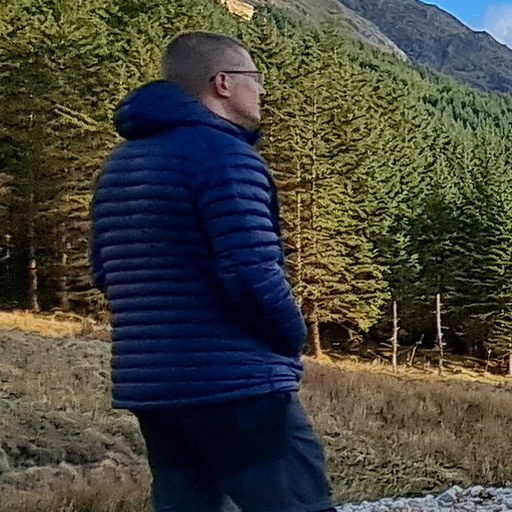
The best hiking destination in Europe for 2026 is the Dolomites in northeastern Italy, ranked first in Germany's Trekking Magazine annual reader poll. The Julian Alps in Slovenia are the fastest-growing destination with new Juliana Trail stages opened in 2025, while the Swiss Alps around Grindelwald have seen a 60% year-on-year surge in trail bookings driven by the Eiger, Monch, and Jungfrau circuit.
Top 5 European Hiking Destinations for 2026
Two forces are reshaping European hiking in 2026: over-tourism at classic destinations is pushing experienced hikers toward emerging alternatives, and the rise of self-guided digital trail infrastructure means complex multi-day routes are now accessible without a guide. The Algarve in Portugal, Slovenia's Julian Alps, and Georgia's Transcaucasian Trail are drawing significant numbers away from the crowded Mont Blanc and Chamonix circuits.
| Destination | Best Route | Distance | Difficulty | Best Season |
|---|---|---|---|---|
| Dolomites, Italy | Alta Via 1 | 120 km | Moderate-Hard | Jul-Sep |
| Julian Alps, Slovenia | Juliana Trail | 270 km | Moderate | Jun-Oct |
| Swiss Alps, Grindelwald | Eiger Trail + Jungfrau circuit | 40-200 km variable | Easy-Hard | Jun-Oct |
| Algarve, Portugal | Rota Vicentina (Fishermen's Trail) | 226 km | Easy-Moderate | Oct-May |
| Jotunheimen, Norway | Besseggen Ridge | 22 km (day hike) | Moderate-Hard | Jul-Sep |
Dolomites, Italy — Still Europe's #1 Alpine Hiking Destination
The Dolomites in South Tyrol hold the top rank in Europe's hiking world in 2026, and the Alta Via 1 remains the benchmark multi-day route on the continent. The 120 km route from Lago di Braies to Belluno crosses nine mountain passes, peaks at 2,752 m at Forcella de Lavaredo, and links a chain of rifugios serving hot meals and dormitory accommodation for approximately 45-65 euros per night including breakfast.
The main challenge in 2026 is congestion: daily hiker numbers on the most scenic sections between Cortina d'Ampezzo and Tre Cime di Lavaredo routinely exceed 2,500 in July and August. Starting the Alta Via 1 before 7:00 am or choosing the less-trafficked Alta Via 2 (150 km, harder, significantly quieter) solves most congestion issues.
Julian Alps, Slovenia — 2026's Fastest-Growing Hiking Destination
Slovenia invested heavily in trail infrastructure since 2022, and 2025 saw the opening of additional Juliana Trail stages through Triglav National Park. The full 270 km Juliana Trail loops the Julian Alps with 9,000 m of accumulated elevation gain, passing through crystal-clear rivers, limestone karst valleys, and mountain villages where tourist numbers remain a fraction of comparable routes in Austria and Switzerland.
Slovenia's relative affordability makes it stand out: mountain huts along the trail cost 25-40 euros per night, and Triglav National Park imposes no entrance fee. The official park website at park-triglav.si provides current trail conditions, hut availability calendars, and downloadable GPX tracks for all stages of the Juliana Trail.
Swiss Alps, Grindelwald — Best for Accessible Alpine Scenery
Interest in the Grindelwald region rose by 60% year-on-year according to 2026 booking data, driven by the iconic backdrop of the Eiger (3,967 m), Monch (4,107 m), and Jungfrau (4,158 m). The Eiger Trail from Grindelwald to Eigergletscher covers 8 km with 540 m ascent and is one of the most dramatic single-day hikes in Europe, accessible to hikers of moderate fitness with no technical scrambling required.
Algarve, Portugal — Best Coastal Hiking in Europe
The Algarve ranked third in Trekking Magazine's 2026 European hiking reader poll. The Rota Vicentina's Fishermen's Trail covers 226 km of Atlantic coastline between Porto Covo and Sagres along sea cliffs up to 80 m high, with no significant elevation gain — making it the most accessible long-distance route in Europe for beginner hikers. The best season runs October through May: temperatures sit at 14-20 degrees C, wildflowers cover the cliff-tops, and accommodation runs 40-50% cheaper than the summer peak.
Practical Planning Tips for European Multi-Day Hikes in 2026
- Book hut accommodation 60-90 days ahead for the Dolomites Alta Via in July-August — popular rifugios sell out within hours of opening their booking windows.
- Carry a personal locator beacon (Garmin inReach Mini 2 or SPOT X) on any route above 2,000 m in areas with limited mobile coverage.
- Tent weight matters on routes without hut access — the Julian Alps permit wild camping in designated zones. Check our gear guide for the best ultralight tents for 2026 to keep your shelter under 1 kg.
- Mountain rescue insurance is non-negotiable in the Alps. Swiss and Italian helicopter evacuation runs 1,500-8,000 euros per incident without coverage.
Frequently Asked Questions
What is the most popular multi-day hiking route in Europe in 2026?
The Tour du Mont Blanc (TMB) remains Europe's most iconic multi-day route at 170 km crossing France, Italy, and Switzerland over 7-11 days. However, over-tourism pressure on the TMB has reached critical levels in 2026, with permit systems under active discussion. The Dolomites Alta Via 1 and Slovenia's Juliana Trail offer comparable scenery with significantly less congestion.
Do I need hiking permits for European trails in 2026?
Most European trails do not require hiking permits, but hut reservation systems have become effectively mandatory on popular routes. The Dolomites rifugio system requires advance booking; Norway's DNT huts require a membership card (NOK 770/year, approximately 65 euros). Wild camping regulations vary: permitted with conditions in Scotland and Scandinavia; strictly prohibited in most of the Alps above designated hut zones.
What is the best month to hike the Dolomites?
Late June through mid-September, with mid-July to mid-August the most popular and most crowded window. September is the ideal balance: crowds thin significantly after the first week, temperatures drop to 10-18 degrees C at altitude, snow risk is low, and autumn colours begin on lower slopes. High passes above 2,500 m may see early snowfall in October, closing some via ferrata routes.
Is Slovenia a good hiking destination for beginners?
Yes. The Juliana Trail is graded moderate and requires no technical climbing or scrambling on its main circuit. The trail is well-marked, huts and villages provide food and accommodation every 15-25 km, and English signage is extensive throughout Triglav National Park. Mount Triglav itself (2,864 m) requires scrambling experience and is not suitable for beginners without a certified mountain guide.
Which European hiking destination has the best infrastructure for solo hikers?
Switzerland has the best mountain hut network, with 152 SAC (Swiss Alpine Club) huts offering solo traveller booking, consistent quality standards, and excellent safety infrastructure. The Grindelwald area stands out: cable car networks provide emergency descent options, mobile coverage is excellent above 2,000 m, and trails are marked to T4 difficulty standards with consistent signage throughout the entire Jungfrau region.
More Travel Stories
- Hiking in Ethiopia 2026: Simien Mountains, Bale Mountains and Complete Trekking Guide
- Kilimanjaro Trekking Guide 2026: Routes, Costs and What to Expect on Africa's Highest Peak
- Manaslu Circuit Trek Nepal 2026: Complete Planning Guide for Nepal's Quietest Major Trek
- Hiking in Taiwan 2026: Yushan, Taroko Gorge and the Best Mountain Trails
- Hiking in Finland 2026: Karhunkierros Bear Trail, Lapland Routes and What to Expect
- Hiking in the Black Forest Germany 2026: Best Trails, Routes and Planning Guide