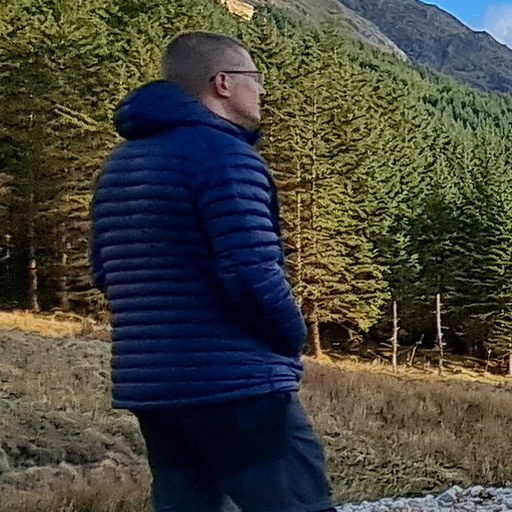
The lightest rain jacket for hiking in 2026 is the Zpacks Vertice at 113 g. Across the six ultralight shells weighed here, weight runs from 113 g to 355 g and price from $99 to $550. The Patagonia Torrentshell 3L (340 g, $179) is the best all-round pick; the Arc'teryx Alpha SL (220 g) is the lightest GORE-TEX Pro shell.
Ultralight vs GORE-TEX: What the 2026 Debate Actually Comes Down To
Ask which backpacking rain jacket to buy in 2026 and you get two camps. One counts grams and accepts a fragile fabric; the other pays for a GORE-TEX laminate that survives 1,000 km of pack straps and granite. The honest answer is that the gap between the two has narrowed sharply, and it comes down to three numbers: weight in grams, hydrostatic head in millimetres, and breathability in RET.
Two developments made the choice harder than it was three years ago. First, the EU phase-out of long-chain PFAS-based DWR coatings under REACH forced every major brand to reformulate its water-repellent finish. Second, PFAS-free membranes from Patagonia, Rab and Norrona closed most of the performance gap with GORE-TEX, so sub-$200 jackets now hold their own against $500 shells in sustained rain.
Weight compounds on long routes. A 350 g jacket versus a 165 g jacket is 185 g carried for every kilometre of trail — across a 170 km route like the Tour du Mont Blanc that is the equivalent of one water bottle less, all day, every day. If you want to see what that swap does to your total load before you buy, run the numbers through the backpacking base weight calculator; a shell is one of the three easiest items to cut 200 g from without changing anything else in your kit.
The Lightest Hiking Rain Jackets of 2026 Compared
| Jacket | Membrane | Weight | Waterproofing | Price |
|---|---|---|---|---|
| Zpacks Vertice | Proprietary composite | 113 g / 4 oz | Tested (not rated) | $395 |
| Rab Downpour Light | Pertex Shield | 165 g / 5.8 oz | 20,000 mm | $175 |
| Arc'teryx Alpha SL | GORE-TEX Pro | 220 g / 7.8 oz | 28,000 mm | $550 |
| Patagonia Torrentshell 3L | H2No 3-layer | 340 g / 12 oz | 10,000 mm | $179 |
| Mountain Hardwear Stretch Ozonic | Dry.Q Elite stretch | 340 g / 12 oz | 20,000 mm | $220 |
| REI Co-op Rainier | HydroDry 2.5L | 355 g / 12.5 oz | 10,000 mm | $99 |
Sorted lightest first, the spread is 242 g between the top and bottom of the table — and $451 between the cheapest and the most expensive. The steepest part of the curve sits between 340 g and 165 g: the Rab Downpour Light saves 175 g over the Torrentshell for four dollars less. Everything below 165 g starts costing roughly $2.50 per gram saved.
Zpacks Vertice: The Lightest Rain Jacket at Any Price
At 113 g (4 oz), the Zpacks Vertice is the lightest functional rain jacket sold in 2026 and the direct answer to "what is the thinnest rain coat you can actually hike in". It uses a proprietary composite fabric that holds up in sustained rain but lacks the abrasion resistance of GORE-TEX or nylon-based laminates. It stuffs into a hip-belt pocket and disappears in a frameless pack such as the Hyperlite Mountain Gear 2400 Windrider, where every gram of the 510 g pack budget is already accounted for.
The Vertice is the right choice for gram-counting thru-hikers on Pacific Northwest or Alpine routes where savings across 1,000+ km compound meaningfully. It is not suited for off-trail scramblers or anyone leaning into rock — the fabric is fragile at seams and collar edges under friction, and shoulder-strap wear is the usual failure point.
Rab Downpour Light: Best Ultralight Value Under $200
The Rab Downpour Light at 165 g and $175 occupies the best value position in the ultralight tier and is the jacket most often recommended when someone asks for ultralight performance without Zpacks pricing. Pertex Shield delivers 20,000 mm waterproofing and better breathability than the Torrentshell at less than half the weight. The hood packs into the collar and the full-length zip uses waterproof construction.
Pair it with waterproof footwear — see our guide to the best hiking boots of 2026 — for a fully waterproofed system. On a wet three-day loop like the Mt. Hood Timberline Trail (60 km, 2,274 m ascent), a 20,000 mm shell with a stowable hood is the difference between hiking through a squall and sheltering under a tree for an hour.
Arc'teryx Alpha SL: Lightest GORE-TEX Pro Shell of 2026
The Arc'teryx Alpha SL was updated for 2026 with the lightest GORE-TEX Pro shell currently available: 220 g for a men's medium, down from 260 g in the previous version. GORE-TEX Pro delivers 28,000 mm waterproofing and best-in-class breathability at 25 RET — critical for high-output activity where moisture management under exertion matters more than absolute waterproof rating. The trade-off is the $550 price and a minimalist cut without pit zips. For anyone planning a fastpacking itinerary, read our fastpacking beginners guide to understand which exertion levels make breathability worth paying for.
Patagonia Torrentshell 3L: Best Hiking Rain Jacket for Most Hikers
Updated in 2025 with a fully PFAS-free DWR formula, the Patagonia Torrentshell 3L remains the top all-round recommendation for 2026. At 340 g and $179 it delivers genuine 10,000 mm waterproofing on a 3-layer laminate — more breathable and more durable than the older 2.5-layer version. The hood adjusts one-handed, pit zips ventilate effectively during high-output hiking, and the jacket compresses to the size of a 750 ml water bottle. Patagonia's repair guarantee and Fair Trade factory certification add long-term value that cheaper alternatives cannot match.
GORE-TEX vs PFAS-Free Membranes: What Has Changed in 2026
The 2024 EU restriction on long-chain PFAS compounds forced every major manufacturer to reformulate its DWR coatings. As of 2026, GORE-TEX uses a PFAS-free C0 DWR from W.L. Gore, as does Patagonia's H2No and most Rab Pertex fabrics. The practical performance difference for hikers is minimal — PFAS-free DWR reactivates well under low tumble-dryer heat and performs comparably in rain above 5°C. Below 5°C, older PFAS formulations held a measurable edge that new formulations have not fully closed. For most three-season hiking, the difference is invisible in practice.
How to Read the Three Numbers That Matter
Hydrostatic head (mm) measures how much water pressure the membrane resists before leaking: 10,000 mm covers ordinary rain, 20,000 mm handles hours of downpour plus pack-strap pressure, and 28,000 mm is alpine overkill for most trail use. RET measures breathability, and lower is better — under 6 RET is genuinely breathable, 12 RET is fine at walking pace, and anything above 20 traps sweat when you push uphill. Weight is the only one of the three you feel every single hour.
For complete gear kit context, pair your rain jacket decision with the best budget hiking gear of 2026 guide, which includes rain jacket picks from $60 to $300 and advice on whether a budget shell is sufficient for your intended routes.
Frequently Asked Questions
What's the lightest rain jacket for hiking in 2026?
The lightest hiking rain jacket in 2026 is the Zpacks Vertice at 113 g (4 oz), built from a proprietary composite fabric. If you want a GORE-TEX membrane instead, the Arc'teryx Alpha SL at 220 g is the lightest GORE-TEX Pro shell available. For the best weight-to-price balance, the Rab Downpour Light at 165 g and $175 undercuts both.
Is GORE-TEX worth it for backpacking, or is ultralight enough?
For three-season trail backpacking, an ultralight shell like the 165 g Rab Downpour Light is enough: 20,000 mm resists hours of rain and pack-strap pressure. GORE-TEX Pro earns its $550 in two cases — sustained high-exertion output where 25 RET breathability matters, and abrasive terrain where composite fabrics wear through at the shoulders.
Is 10,000 mm waterproofing enough for hiking?
For most three-season hiking in Europe and North America, 10,000 mm is sufficient. That rating equates to roughly 45 minutes of sustained moderate rain before seam saturation. In heavy rain lasting two or more hours, a 20,000 mm+ rating provides meaningfully better protection, particularly at seams and under backpack shoulder straps where pressure forces water through.
How long does a rain jacket DWR coating last?
DWR coatings typically last 10–20 days of heavy trail use before water stops beading and starts wetting out. Reactivate the DWR by tumble drying on low heat for 20 minutes, which re-aligns the finish. Full refresh kits like Nikwax TX.Direct restore original performance for around $10 per application and extend usable jacket life by several seasons.
Can I use a hiking rain jacket for trail running?
Yes, but choose one rated at least 15 RET for moisture vapour transmission. The Arc'teryx Alpha SL at 25 RET and the Rab Downpour Light both perform adequately at trail-running exertion. The Patagonia Torrentshell 3L at around 12 RET suits lower-output hiking, where breathability under sustained effort matters less than durability and pit-zip ventilation.
Do I need a rain jacket if I already own a waterproof hardshell?
A hardshell and a rain jacket serve the same core function, but hardshells add structure and bulk for alpine use. For three-season trail hiking below 3,000 m, a 113–340 g rain jacket beats a 700 g hardshell: the 350–500 g saving translates directly into daily comfort, and the lighter shell is far more likely to stay in your pack instead of at home.
More clothing & layering guides
- Best Ultralight Windbreaker for Hiking: 6 Under 135 g
- Best Fleece Jackets for Hiking 2026 (Weighed & Ranked)
- Down vs Synthetic Insulation for Hiking 2026: Which Should You Choose?
- Hiking Layering System 2026: How to Layer Clothing for Any Mountain Weather
- Best Hiking Base Layers 2026: Merino Wool vs Synthetic Compared and Tested