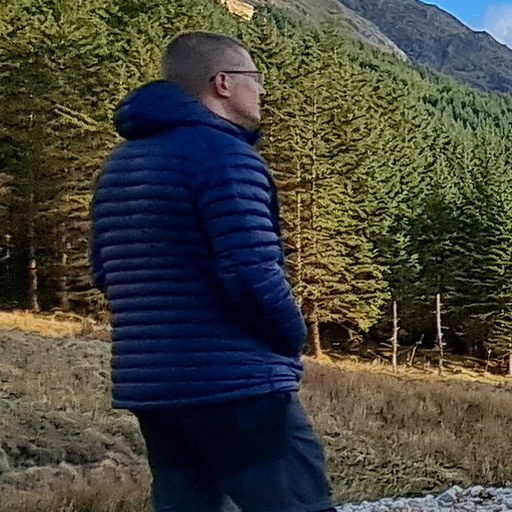
The Fife Coastal Path runs 187 km along Scotland’s eastern coastline from Kincardine Bridge in the southwest to Newburgh in the north, passing East Neuk fishing villages, dramatic North Sea cliffs and the medieval city of St Andrews. Most walkers complete it in 8–10 days at 18–24 km per stage. Interest in the route surged 42% in 2025, making it Scotland’s fastest-rising long-distance walk.
Why the Fife Coastal Path Rivals Scotland’s Famous Highland Routes
Scotland’s walking reputation rests on highland terrain — the West Highland Way, the Cape Wrath Trail, the Cairngorms plateau. The Fife Coastal Path offers something fundamentally different: a lowland coastal walk that combines genuine remoteness with comfortable overnight stops every 15–25 km. Unlike highland routes where supply points are sparse, the Fife path passes through enough towns to allow a fully supported walk with no camping gear at all.
The path is waymarked throughout with distinctive blue markers maintained by Fife Council, which completed a significant path improvement programme in 2024 that resurfaced key cliff-edge sections around Crail and Kingsbarns. Total ascent across the full 187 km is approximately 2,400 m — less than a single alpine day on the Tour du Mont Blanc — which means daily distance, not altitude, is the main planning variable.
For hikers who have walked dramatic Balkan routes like the Theth to Valbona traverse in Albania, Fife offers a very different flavour: preserved fishing culture, North Sea light, and fresh seafood dinners in harbour villages at the end of every day.
Fife Coastal Path Stage-by-Stage Distance Guide
| Stage | Route | Distance | Difficulty |
|---|---|---|---|
| 1 | Kincardine to Aberdour | 24 km | Moderate |
| 2 | Aberdour to Kirkcaldy | 22 km | Easy–Moderate |
| 3 | Kirkcaldy to Lower Largo | 21 km | Easy |
| 4 | Lower Largo to St Andrews | 32 km | Moderate — highlight day |
| 5 | St Andrews to Crail | 27 km | Moderate (cliff paths) |
| 6 | Crail through East Neuk to Leven | 25 km | Easy–Moderate |
| 7–8 | Tayport to Newburgh (Tay estuary) | 36 km | Easy |
The East Neuk Villages: The Finest Section of the Route
The stretch from Lower Largo through Crail, Pittenweem, Anstruther, St Monans and Elie is universally cited as the path’s standout section. The East Neuk (Scots for “corner”) is a cluster of preserved fishing villages where pantile roofs, whitewashed stone and active lobster harbours remain largely unchanged since the 17th century.
Anstruther is the de facto capital and home to the Scottish Fisheries Museum (free entry). Anstruther Fish Bar has won the UK National Fish and Chip Award four times and serves locally caught haddock for under £12. Walkers arriving Tuesday through Saturday can combine dinner with an evening boat trip to the Isle of May seabird colony, 10 km offshore, where 200,000 puffins and guillemots nest between May and July.
The Lower Largo to St Andrews stage (32 km, Stage 4) earns its reputation as the finest day on the route. It combines East Neuk cliff-top paths, the approach along St Andrews West Sands — a 2 km sweep of white sand — and arrival at the medieval cathedral ruins with their 900-year-old tower still standing above the harbour.
Practical Planning: Accommodation, Timing and Transport in 2026
Budget per day for a supported walk in 2026:
- B&Bs: £65–£95 per person including breakfast. Book 8 weeks ahead for July–August; May, June and September remain accessible 2–4 weeks out.
- Self-catering cottages: £40–£60 per person per night for two sharing. Available in most East Neuk villages.
- Wild camping: Legal under the Scottish Outdoor Access Code. Coastal wind exposure limits sheltered spots, but formal campsites operate at Crail and near Elie.
May, June and September are the optimal walking months. July and August offer up to 17.5 hours of daylight but bring midges — the coastal breeze keeps them at bay on exposed sections. Pack Smidge repellent (£8, DEET-free) for inland stops. ScotRail serves Kincardine, Kirkcaldy, Leuchars (for St Andrews) and Dundee (for the northern terminus), making car-free logistics fully viable. Check timetables at scotrail.co.uk.
Pack weight becomes significant over 8–10 consecutive days. A lightweight pack under 900 g transforms daily mileage from a grind into something genuinely enjoyable, particularly on Stage 4’s 32 km stretch.
Frequently Asked Questions
How long does the Fife Coastal Path take to complete?
Most walkers finish in 8–10 days at 18–24 km per day. Fitter hikers covering 28–30 km daily can complete it in 6–7 days. Total ascent across 187 km is only approximately 2,400 m, so daily distance rather than elevation is the main planning variable.
Is the Fife Coastal Path suitable for beginners?
The path suits hikers with basic fitness who have completed day walks of 10–15 km. No technical navigation or scrambling is required. The main challenge is sustaining 18–24 km per day for 8–10 consecutive days, so a six-week build-up with back-to-back weekend walks is recommended for those without multi-day experience.
Do you need a permit to walk the Fife Coastal Path?
No permit is required. Under the Land Reform (Scotland) Act 2003, walkers have a statutory right of responsible access across almost all land in Scotland. The only obligation is to follow the Scottish Outdoor Access Code — stay on waymarked paths near residential areas and leave no trace at camping spots.
What is the best single-day section of the Fife Coastal Path?
Stage 4, Lower Largo to St Andrews (32 km), is consistently rated the finest day. It combines East Neuk cliff paths, West Sands Beach and arrival at a historic medieval university town. Walkers tackling only one section should start from Lower Largo (accessible by bus from Kirkcaldy) and finish in St Andrews, where trains back to Edinburgh run hourly.
How does the Fife Coastal Path compare to the West Highland Way?
The West Highland Way (154 km, 7–8 days) is harder, more remote and significantly busier — approximately 150,000 annual users versus an estimated 50,000 on the Fife path. Fife offers better accommodation density, easier logistics, no midges on exposed coastal sections, and a richer cultural dimension: fishing villages, golf history and medieval ruins the highland route cannot match.
More Trail Guides
- Pohorje-Kozjak Trail Slovenia 2026: Complete Guide to Europe's Newest Long-Distance Path
- Cape Wrath Trail Scotland 2026: Complete Guide to Britain's Most Remote Long-Distance Walk
- Great Glen Way Scotland 2026: Complete Guide to the 127 km Highland Trek
- Coast to Coast Walk UK 2026: Complete Guide to Wainwright's Route from St Bees to Robin Hood's Bay
- Hiking with Dogs: Complete Trail Guide 2026
- How to Thru-Hike the Pacific Crest Trail in 2026: Complete Planning Guide