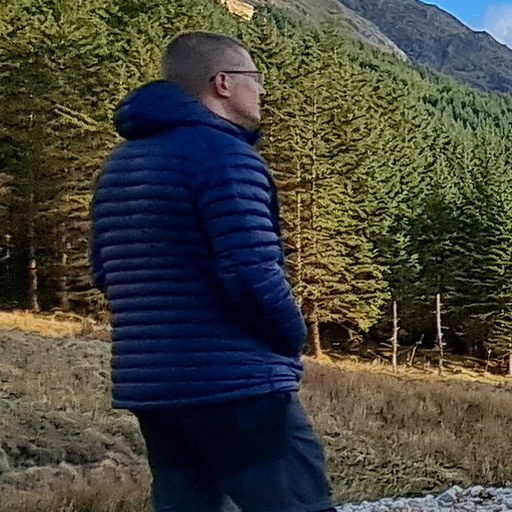
On a typical hike you burn between 400 and 700 calories per hour. Body weight, trail gradient, and pack weight all shift that figure significantly: a 70 kg hiker on moderate terrain (10-15% grade) burns approximately 490 kcal/hr, rising to 595 kcal/hr on steep ascents above 20% grade — or around 4,000-5,000 kcal over a full eight-hour alpine day.
How Many Calories Does Hiking Burn? The Numbers by Body Weight
Calorie burn during hiking is calculated using MET values — Metabolic Equivalents of Task — published in the Compendium of Physical Activities, maintained by the University of South Carolina Arnold School of Public Health. The formula is straightforward: MET value multiplied by body weight in kilograms equals kcal burned per hour. Flat trail hiking carries a MET of 5.3; moderate grade (10-15%) rises to 7.0; steep ascent above 20% reaches 8.5.
| Body Weight | Flat Trail (kcal/hr) | Moderate Grade (kcal/hr) | Steep Ascent (kcal/hr) | 8-hour day (moderate) |
|---|---|---|---|---|
| 55 kg | 292 | 385 | 468 | 3,080 |
| 70 kg | 371 | 490 | 595 | 3,920 |
| 80 kg | 424 | 560 | 680 | 4,480 |
| 90 kg | 477 | 630 | 765 | 5,040 |
| 100 kg | 530 | 700 | 850 | 5,600 |
Values based on Compendium of Physical Activities MET values (2024 update): flat trail MET 5.3, moderate grade MET 7.0, steep ascent MET 8.5. Figures are gross calories including basal metabolic rate.
How Does Pack Weight Affect Calorie Burn While Hiking?
Every additional 5 kg of pack weight increases energy expenditure by approximately 8-12%, according to research published in the Journal of Applied Physiology. A 70 kg hiker carrying a 10 kg pack on moderate terrain burns roughly 540-560 kcal/hr — about 10% more than the same hiker with no pack. A heavy 20 kg expedition pack pushes that figure toward 650-680 kcal/hr on moderate alpine terrain.
Dropping 3 kg from your pack reduces your daily calorie deficit by approximately 240 kcal on a full alpine day. On a 10-day thru-hike that translates to 2,400 kcal less that you need to carry as food weight. For pack weight recommendations, see our guide to the best ultralight backpacks for thru-hiking 2026.
How Many Calories Do You Need Per Day on a Multi-Day Hike?
Most active hikers covering 20-30 km per day with 1,000-1,500 m of elevation gain burn 3,500-5,500 kcal total per day including basal metabolic rate. The practical target for multi-day hikers is 500-600 kcal of food per hour of active hiking, plus approximately 1,800-2,200 kcal for basal metabolic rate depending on body size.
A well-structured trail food day for a 70 kg hiker on an 8-hour moderate alpine hike:
- Breakfast (pre-hike): oatmeal with nuts and dried fruit — 550-650 kcal
- Mid-morning snack: energy bar plus a handful of mixed nuts — 300-400 kcal
- Lunch: tortilla wrap with nut butter and beef jerky — 500-600 kcal
- Afternoon snack: dried mango, crackers, and hard cheese — 300-400 kcal
- Dinner (at camp): freeze-dried meal with added olive oil — 650-800 kcal
Best High-Calorie Trail Foods Ranked by Weight
The ideal trail food delivers at least 500 kcal per 100 g, keeping food weight manageable on routes longer than four days:
- Olive oil — 884 kcal/100 g. Adding 20 ml to any dinner increases calorie density by 180 kcal for essentially zero additional bulk.
- Mixed nuts — 600-650 kcal/100 g. Macadamia and pecan nuts sit at the higher end; cashews and almonds around 570 kcal/100 g.
- Dark chocolate (85%+) — 590-600 kcal/100 g. Fast-absorbing sugar plus fat makes it ideal for afternoon energy maintenance on long days.
- Nut butter sachets — 590-600 kcal/100 g in 32 g single-serve packets. Cleaner than a full jar and pre-portioned for a single snack stop.
- Freeze-dried meals — 400-500 kcal/100 g dry weight. Mountain House and Heather's Choice score highest on calorie density; many budget brands sit at 300-380 kcal/100 g.
Does Altitude Increase Calorie Burn While Hiking?
Yes, but the effect is smaller than most hikers expect. Research cited by the American Hiking Society indicates that at 3,000 m altitude, calorie burn increases by approximately 10-15% compared to equivalent exertion at sea level, primarily due to increased respiratory muscle work. At 4,000 m the increase reaches 20-25%. Appetite suppression at altitude is the bigger practical challenge: most hikers experience reduced hunger above 3,000 m despite higher calorie needs, making high-calorie-density snacks critical for energy maintenance on high alpine routes.
Frequently Asked Questions
Is hiking good for weight loss?
Yes, hiking creates a meaningful calorie deficit when done consistently. A 70 kg hiker burning 490 kcal/hr for six hours burns 2,940 kcal from hiking alone. Combined with a normal daily intake of 2,000-2,500 kcal, a full hiking day produces a deficit of 400-900 kcal depending on how much the hiker eats on trail. Sustained over multiple weeks, this produces measurable fat loss without the joint stress associated with running on pavement.
How many calories do you burn on a 10 km hike?
A 70 kg hiker on flat to moderate terrain covers 10 km in approximately 2.0-2.5 hours, burning 740-980 kcal total. On hilly terrain with 400-500 m of elevation gain, the same 10 km takes 2.5-3 hours and burns 1,100-1,350 kcal. Pack weight adds 8-12% per additional 5 kg carried.
Do you burn more calories going uphill or downhill?
Uphill hiking burns 50-80% more calories per km than flat terrain due to the mechanical work of lifting body weight against gravity. Downhill hiking burns 30-50% more than flat due to eccentric muscle contractions controlling the descent. A descent that takes 45 minutes over the same elevation change as a 90-minute climb burns roughly 40% of the calories of the ascent for equivalent time spent.
How much water should I drink while hiking?
The general guideline from the American Hiking Society is 500 ml per hour of active hiking in moderate conditions, increasing to 750-1,000 ml/hr in heat above 25 degrees C or on steep terrain. At altitude above 3,000 m, increase intake by 20-25% as dry air accelerates fluid loss through respiration. Electrolyte tabs are worth adding every 2-3 hours on full-day hikes to prevent hyponatraemia from over-hydration with plain water.
What should I eat before a long hike?
Eat a mixed carbohydrate and fat meal 60-90 minutes before starting: oatmeal with nut butter, eggs on wholegrain toast, or a banana and peanut butter smoothie all provide sustained energy without causing mid-hike blood sugar crashes. Avoid large amounts of simple sugar immediately before hiking — the resulting insulin spike causes an energy dip at 45-60 minutes. Target 400-600 kcal pre-hike depending on planned intensity and duration.
More Nutrition
- Fuelling Your First Multi-Day Hike 2026: A Beginner's Complete Trail Nutrition Plan
- Trail Nutrition for Women Hikers 2026: Iron, Calories and How to Fuel Your Body Differently
- How Much Water Should You Drink Hiking: The Complete Hydration Guide 2026
- Plant-Based and Vegan Backpacking Food Guide 2026: How to Fuel Multi-Day Hikes Without Animal Products
- Omega-3 for Hikers 2026: How Anti-Inflammatory Fats Speed Recovery and Protect Joints on Trail
- Omega-3 for Hikers 2026: How Fish Oil and Fatty Acids Protect Joints on Long Trails