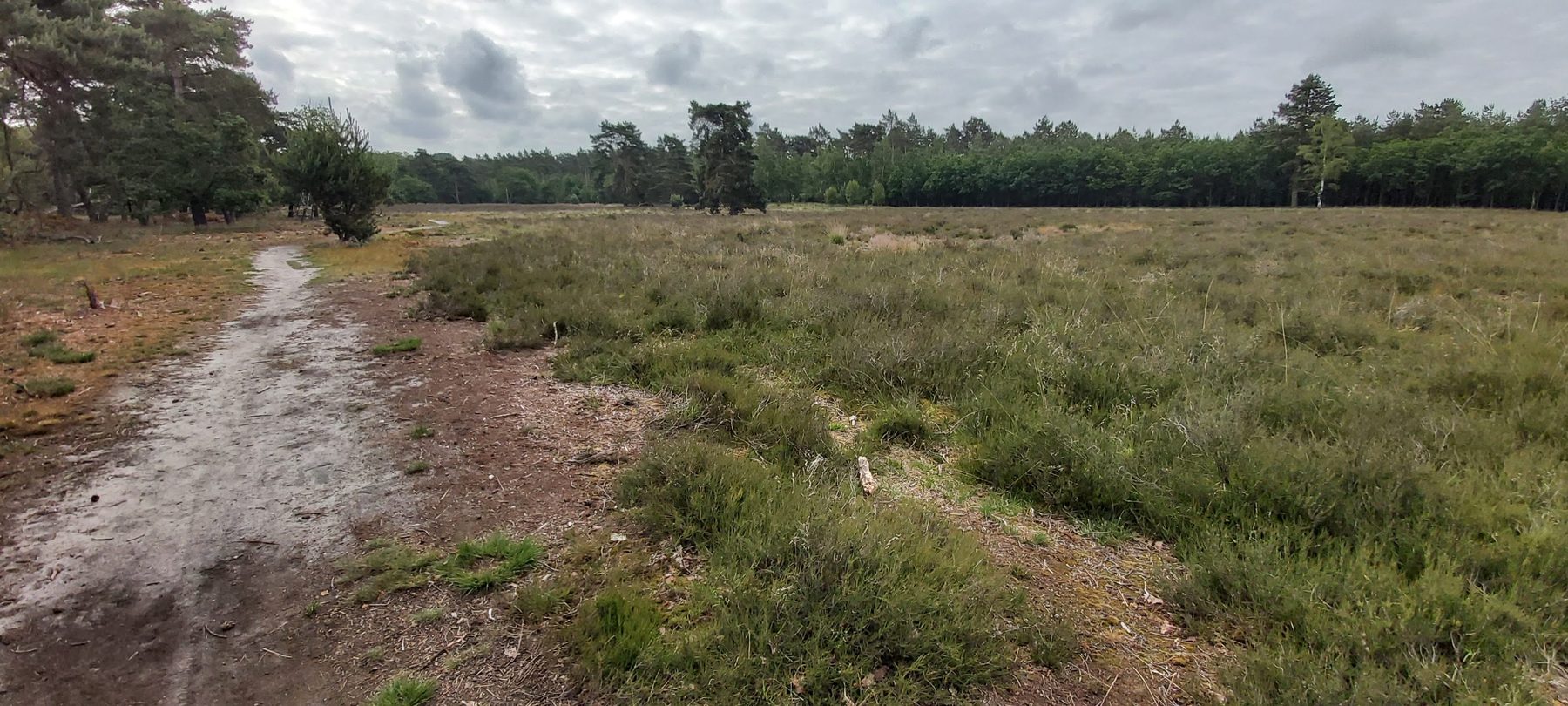
The Pieterpad: my first-ever multi-day hike — a solo trip report
- Route
- I walked southbound from Swolgen to the official end of the Pieterpad on the Sint-Pietersberg, by the ENCI quarry in Maastricht.
- Distance & time
- Around 140 km over six days, walked solo — a gentle, very doable first multi-day hike.
- Sleeping
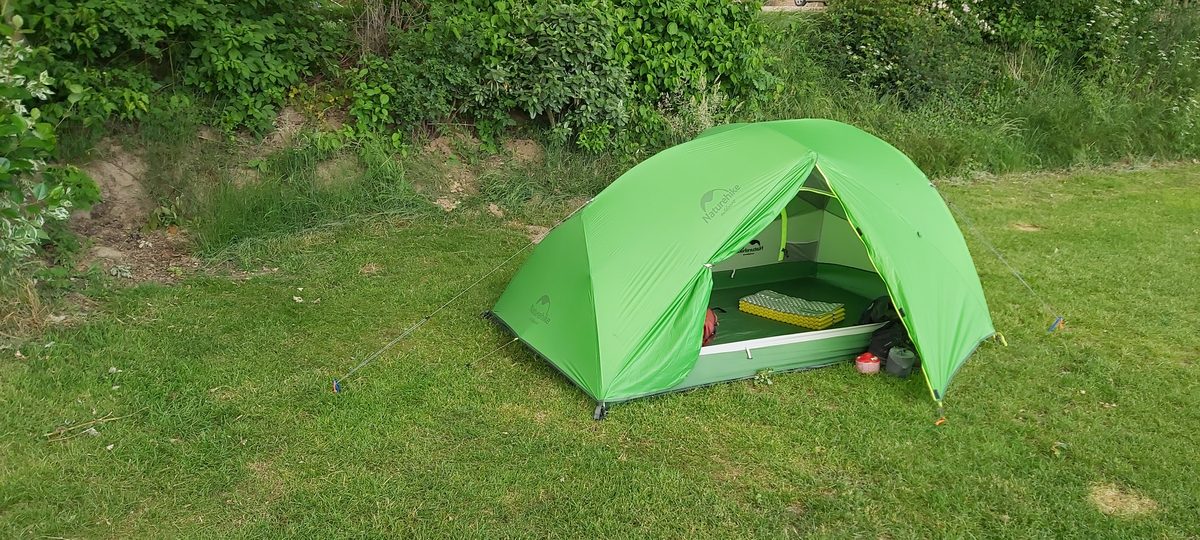
- I camped every night in my little trekking tent, including some lovely nature campsites along the way.
- Food
- I carried my own food but could resupply with extras in plenty of villages and towns — part of what makes the Pieterpad feel almost comfortable.
- Sore-feet tip
- Day three my little toe was wrecked from rubbing. Re-lacing the shoe for more room at the front fixed it instantly — better than any plaster.
- Would do differently
- I'd skip the final stretch through Maastricht city centre on a busy Saturday — far too crowded if you came for the quiet.
In May 2022 I walked my first-ever multi-day hike, and I did it on purpose in the Netherlands. I wanted to get my first real experience close to home — there was something reassuring about knowing that if it all got too much, I could get back home easily, instead of being stranded somewhere abroad. So the Pieterpad it was.
My wife and kids dropped me off by car in Swolgen, where I started. I'd walk from there all the way to the end of the Pieterpad, solo: six days, nearly 140 kilometres, sleeping every night in my little trekking tent. I carried my own food, but in plenty of villages and towns along the way I could top up with something extra.
Walking away
I still remember the first morning, watching the car leave. What I felt wasn't nerves — it was freedom. A wonderful sense of right, now I get to enjoy this. And that feeling stayed with me the whole way.
It wasn't nerves I felt when the car drove off. It was freedom — and the simple thought: now, just enjoy.
The toe that nearly broke me
Then came day three. My right little toe was completely wrecked from rubbing — bad enough that I had to patch it up with Compeed plasters and special tape, and I tied the little toe to the one next to it to cut down the friction.
A bit further on I met a couple resting on a bench who were also walking the Pieterpad. I got talking with them and mentioned my painful toe, and they gave me a tip: re-lace the shoe so there's more room at the front, so the toe stops rubbing. It worked instantly. I kept bumping into that same couple for the rest of the trip — that was really nice.
Why I do it
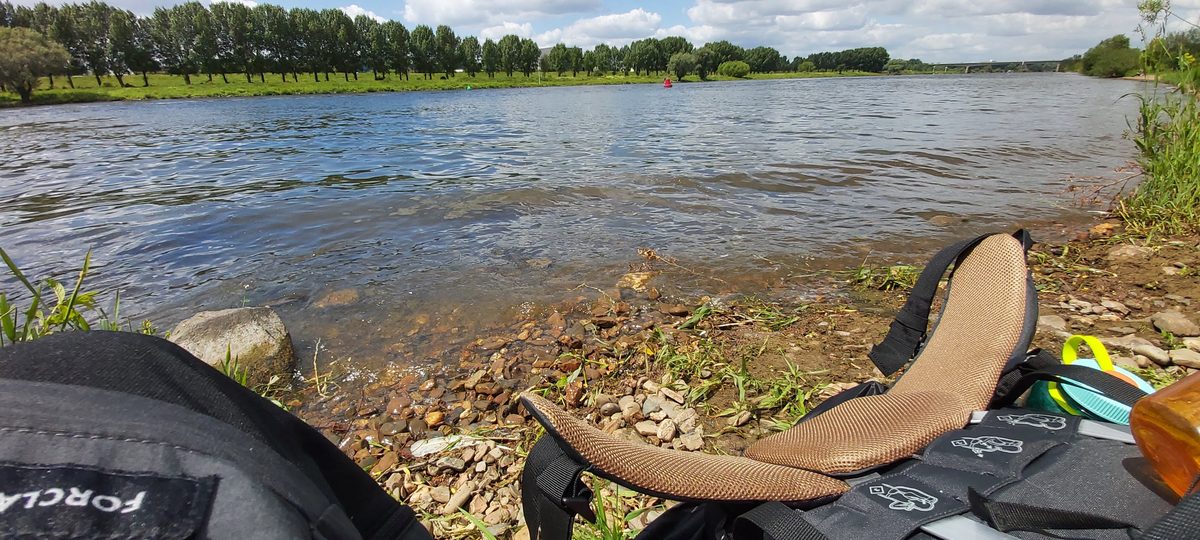
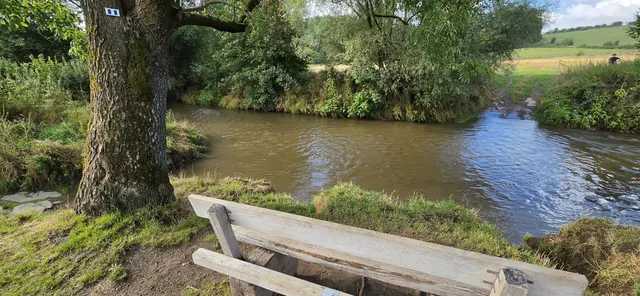
One day I sat down to have lunch right on the bank of the Maas. It was so peaceful, just sitting there enjoying it — pure bliss. And the South Limburg landscapes are genuinely beautiful: those rolling hills, and such friendly people everywhere.
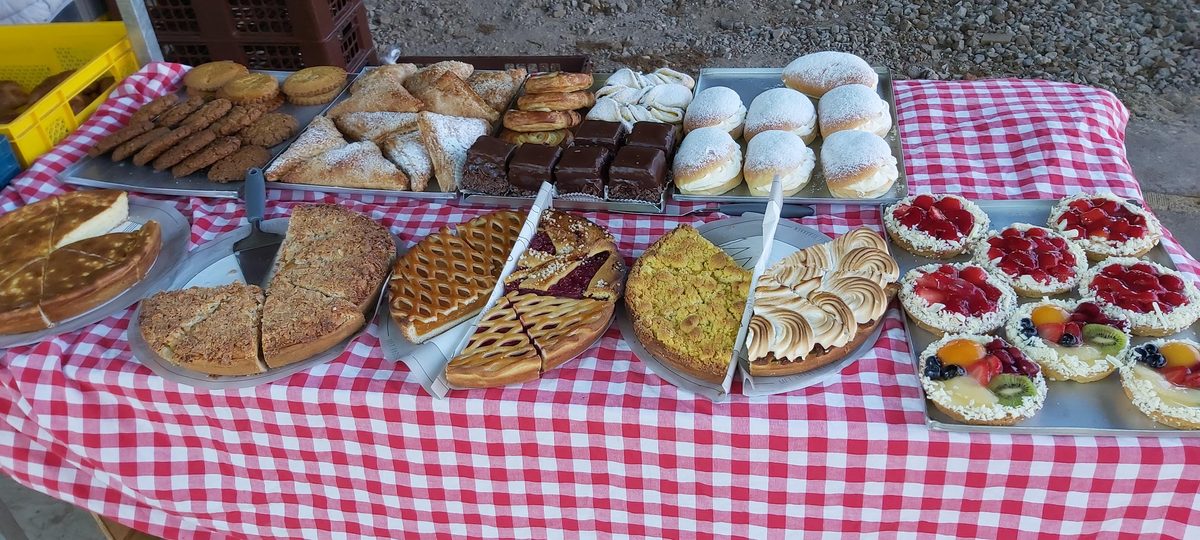
That, for me, is the charm of the Pieterpad. You're often blissfully out in nature, but you also pass little shops where you can grab something nice. It's a slightly more luxurious hike than spending days completely in the wild — like Scotland or Sweden, where you're entirely on your own and there's nowhere to buy extra food.
The end stone
Reaching the end was a satisfying feeling — but also a bit of a shame that it was over. The very last stretch through the centre of Maastricht, on a Saturday, was honestly not a great idea. It was incredibly busy on the streets, and I love quiet, so that final bit I'd never walk again.
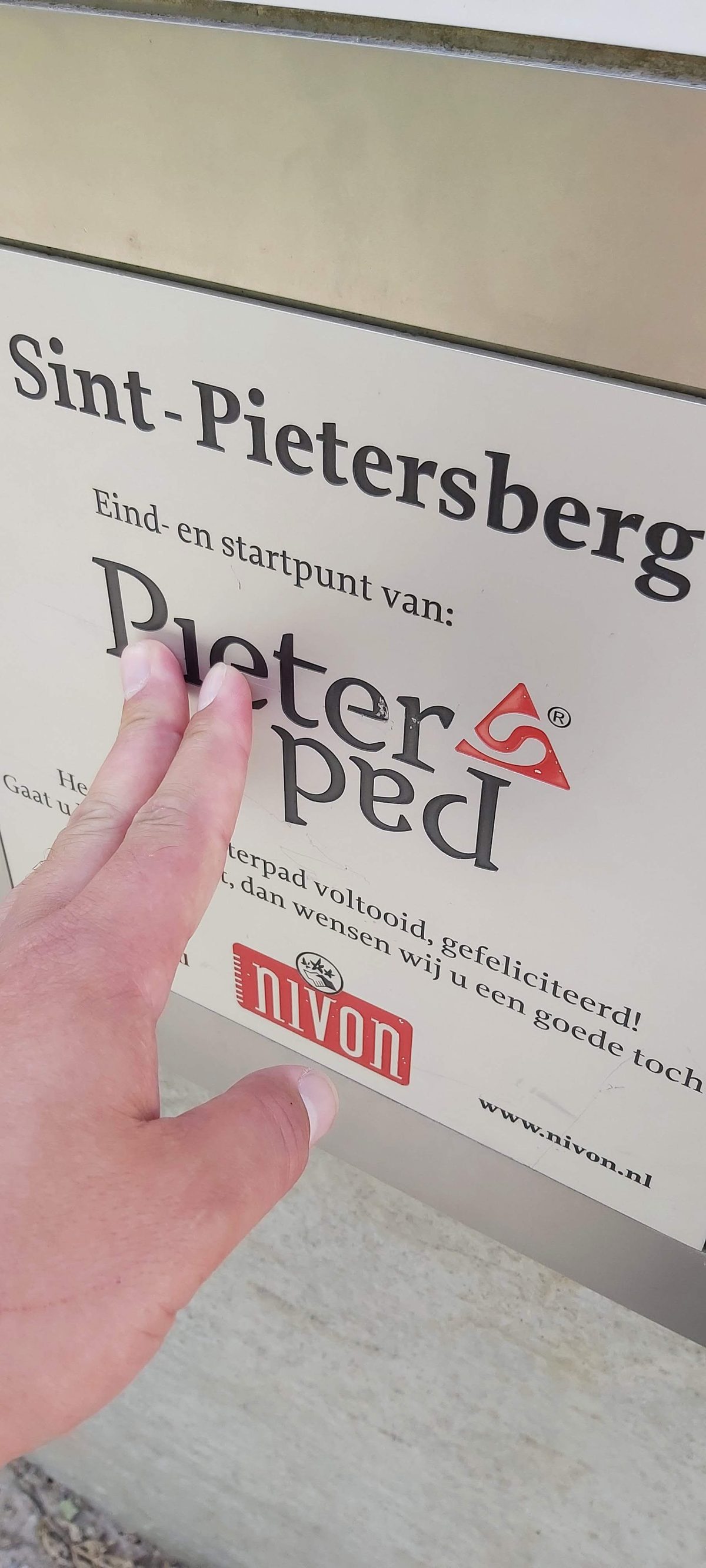
But I did walk all the way to the end of the Pieterpad, and I touched the end stone with the Pieterpad text on it, up by the ENCI quarry on the Sint-Pietersberg. There was nobody there to meet me. I walked back, picked up two hamburgers at the McDonald's to take with me on the train home, and that was that. Honestly? It could have lasted a good bit longer for me.
What it set in motion
That first positive experience was the foundation, and it left me wanting more. I started looking for my next trip almost straight away — which eventually became the Cape Wrath Trail in Scotland.
It also taught me something practical: as a beginner I was carrying seriously heavy gear. The Pieterpad was the start of swapping it all out for lightweight kit — a much lighter backpack, a lighter tent. Four years on I've found a balance: not everything ultralight, but a nice middle ground between good gear and not breaking my back.
From my own photos