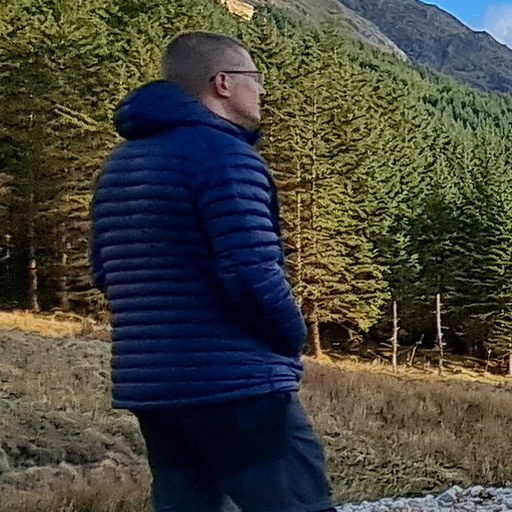
The Faroe Islands comprise 1,000+ km of marked trails spread across 18 inhabited Atlantic islands, with sea cliffs dropping 400 m directly to the ocean and volcanic peaks rising above 800 m. The hiking season runs May through September, with 2025 seeing 130,000 hiking visitors — a fraction of Iceland's 2.3 million — meaning trail solitude is still genuinely possible on one of Europe's most dramatic archipelagos.
Why the Faroe Islands Are Europe's Most Underrated Hiking Destination in 2026
Sitting at 62°N in the North Atlantic, the Faroes benefit from the Gulf Stream moderating temperatures to a July average of 12°C — cold enough to hike comfortably all day, warm enough to avoid technical winter kit. Near-24-hour summer daylight between May and July means you can hike at 9 pm in full light, extending your options dramatically compared to continental European destinations where darkness enforces a strict schedule.
The Faroese government's Closed for Maintenance programme — which periodically closes the most fragile trails to allow vegetation recovery — has become a model for sustainable trail management across Europe. Rather than unlimited access, some of the most spectacular viewpoints require advance booking, which naturally limits daily footfall and maintains the sense of wilderness that makes the islands compelling. AllTrails ranked the Faroes among its top five emerging destinations for 2026, with a 340% increase in trip reports compared to 2024. Despite this growth, popular routes still see fewer than 50 hikers per day in peak season — a number that would be extraordinary on comparable Alpine trails.
The landscape is volcanic and dramatic in a way that is qualitatively different from Alpine terrain. There are no tree lines, no forest corridors — the islands are carpeted in heather and grass from shoreline to summit, giving an open, exposed quality to every trail. When cloud and mist roll in from the Atlantic, the islands take on a cinematic atmosphere that has made them a film location for productions seeking otherworldly northern landscapes.
Five Best Hikes in the Faroe Islands
Sørvágsvatn Coastal Ridge — 8 km, 350 m Ascent
Sørvágsvatn is the lake that appears to float above the ocean — an optical illusion created by the ridge perspective that has made it the most-photographed location in the Faroes. Since 2023, access to the viewpoint ridge has been guided only, with tickets at 150 DKK (~$21) and bookings essential 48 hours ahead in July and August. The guide service is well run and adds genuine context — the geological explanation of the lake's formation and the sheep farming history of the ridge are worth the overhead.
The 8 km route takes approximately 3–4 hours at a relaxed pace. Boots rather than trail runners are recommended as the ridge path crosses saturated peat and exposed rock sections. Afternoon cloud frequently obscures the lake-above-ocean view, so morning departures (8:00–10:00 am) give the best odds of clear conditions.
Slættaratindur Summit — 7 km, 880 m Ascent
Slættaratindur at 882 m is the highest point in the Faroes, accessed from the village of Eiði on Esvágoy island. The summit trail is direct and largely pathless above 500 m — you navigate by compass bearing or GPS in cloud, which covers the summit on approximately 60% of summer days. The summit view on a clear day encompasses the entire northern archipelago, with the sea visible in every direction and the curvature of the earth apparent on the horizon.
The 4–5 hour return trip demands full wet-weather gear carried regardless of conditions at the trailhead. The Faroes' weather changes in minutes — a clear start can become horizontal rain within 30 minutes. Carry the full layering system and never rely on a morning forecast as a day-long guarantee.
Gásadalur Waterfall Loop — 6 km, 200 m Ascent
The Múlafossur waterfall at Gásadalur drops directly to the ocean below, framed by clifftop views in both directions — a composition that appears on every Faroe Islands travel feature published since 2018. Access is free and unrestricted, making this the best entry-level hike for first-time visitors. The 3-hour circuit is manageable in trail runners and appropriate for hikers without technical mountain experience.
The trail is fully exposed to Atlantic wind, which regularly exceeds 15 m/s on the clifftop sections. Check weather.fo — the Faroese meteorological service — for wind forecasts before departure. Below 10 m/s is comfortable; above 15 m/s requires active bracing near cliff edges and is not recommended for children or inexperienced hikers.
Kirkjubøur to Velbastaður Ridge — 12 km, 400 m Ascent
This full-day traverse begins at Kirkjubøur, the historical religious centre of the Faroes, where the 11th-century Magnus Cathedral ruin stands at the water's edge — never completed but still commanding. The ridge walk to Velbastaður crosses open heathland with consistent views across Kollafjørður and the capital Tórshavn. Bus connections from Tórshavn to Kirkjubøur cost 20 DKK ($3) and run hourly; the return from Velbastaður is equally straightforward.
Turf-roofed farmhouse accommodation is available in Kirkjubøur for hikers wanting to start early. The guesthouse rates of 700–900 DKK ($100–130) per night include breakfast. The architecture of the farm buildings — some continuously occupied for over 900 years — is as remarkable as the trail itself.
Enniberg Cliff Walk — 16 km, 650 m Ascent, 5–7 Hours
The cliffs at Enniberg reach 754 m vertically from sea to summit — among the highest vertical sea cliffs in the world. The cliff-edge walking on this route is the most technically demanding in the Faroes, with wind cutoff at 15 m/s applying strictly — the route is closed by the local commune when forecasts exceed this threshold. June and July bring Atlantic puffins to the cliff ledges at Enniberg in numbers that make a telephoto lens the most rewarding piece of kit after your rain jacket.
Strenuous fitness is required: the 650 m of ascent is concentrated into two steep sections, and the exposed cliff-edge sections demand good footwork and a solid head for heights. Do not attempt this route in poor visibility — the path is often less than a metre from an unguarded cliff edge.
Recommended Layering Kit for Faroe Islands Hiking
Faroese weather demands a complete, functional layering system on every hike regardless of forecast. The Atlantic climate means rapid temperature drops, persistent drizzle, and strong wind are the default conditions rather than exceptional ones. For more on building a layering system, see our complete hiking layering system guide 2026.
| Layer | Item | Weight (g) |
|---|---|---|
| Base | Icebreaker Merino 200 Oasis LS Crewe | 185 |
| Mid | Rab Cirrus Flex 2.0 Jacket | 280 |
| Outer | Haglofs L.I.M GTX | 310 |
| Footwear | Merrell Moab 3 Mid GTX | 510 |
| Pack | Fjallraven Abisko Hike 35 | 1,100 |
| TOTAL | 2,385 |
The Icebreaker Merino 200 Oasis manages odour across multi-day island-hopping — crucial when you are rotating through guesthouses with limited laundry access. Merino's natural lanolin acts as an antimicrobial, allowing a single base layer to serve five or more consecutive days without becoming unpleasant.
The Rab Cirrus Flex 2.0 uses Cirrus synthetic insulation that retains 85% of its warmth when wet — a specific advantage over down in the Faroe Islands' constant drizzle environment, where a down jacket can become a wet, useless mass within 30 minutes of sustained exposure. The Fjallraven Abisko Hike 35 at 1,100 g is deliberately chosen to double as carry-on cabin luggage on Atlantic Airways' compact aircraft — check the 55×40×23 cm carry-on dimensions against your specific flight, as the Abisko 35 fits within these constraints. The Merrell Moab 3 Mid GTX combines the grip depth needed for saturated Faroese peat with the waterproofing required for the regular shallow stream crossings on island interiors.
Practical Logistics, Costs, and Permits 2026
Atlantic Airways operates from Copenhagen (2h 15min), Reykjavik (1h 15min), and Edinburgh (1h 45min). Return fares from London via Copenhagen typically run £200–350 depending on booking window — three to four weeks ahead delivers the best fares. No permits are required on free-access trails; guided trails like Sørvágsvatn require advance tickets through the local guide company's website (accessible via Visit Faroe Islands).
Wild camping on public land is legal under the Faroese outdoor access code — equivalent to Norway's allemannsretten — provided you camp at least 150 m from buildings, leave no trace, and avoid cultivated land. This makes budget hiking in the Faroes genuinely viable: combine one or two wild camping nights with guesthouse stays and your accommodation cost drops significantly. Guesthouse rates of 700–1,100 DKK ($100–155) per night are high by backpacker standards but reasonable given the remote location and the standard of home-cooked evening meals included.
Daily costs for a self-sufficient hiker with camping equipment and their own food run $40–60. Eating out in Tórshavn — the capital — adds $25–40 per meal at the better restaurants. The Visit Faroe Islands website maintains current trail status, booking links for guided routes, and a weather API integration. For comparison with other European mountain destinations, see our best hiking destinations in Europe 2026 guide.
Frequently Asked Questions
What is the best time to hike in the Faroe Islands?
June offers near-24-hour daylight, puffin colonies on cliff ledges, and wildflowers on the heathland, but the highest wind and rain frequency. July is the warmest month (avg 13°C) with the best weather reliability. August brings quieter trails as school holidays end. May is spectacular but cold (avg 9°C) and some guesthouses are not yet open. Avoid October–April unless you have winter mountaineering experience.
Do you need a guide for Faroe Islands hiking?
Most trails are self-guided and well-marked with cairns and posts. A guide is legally required for Sørvágsvatn (since 2023) and recommended for Enniberg and Slættaratindur in poor visibility. The guide requirement at Sørvágsvatn costs 150 DKK ($21) and is worth it for both the access it provides and the geological context the guides deliver. Book through the official Visit Faroe Islands portal.
Is wild camping allowed in the Faroe Islands?
Yes, on public land under the Faroese access code. Camp at least 150 m from houses or farms, use existing flat spots where available, pack out all waste, and use a camp stove rather than open fires (fires are prohibited across the islands due to peat fire risk). Private land — which includes most valley floors adjacent to farms — requires landowner permission. When in doubt, ask at the nearest guesthouse.
How unpredictable is the weather in the Faroe Islands?
Extremely. The Faroes sit in the path of North Atlantic depressions year-round, and conditions can shift from sunshine to horizontal rain in under 20 minutes. Never leave your rain shell in your accommodation regardless of the morning forecast. Weather.fo provides the most accurate local forecasts. The local rule is: if it's not raining now, it will rain later; if it's raining now, it will probably stop. Plan for both every day.
Are the Faroe Islands expensive for hikers?
Moderately expensive by European standards. Guesthouse accommodation runs £70–110 per night; supermarket food is 30–40% more expensive than mainland Europe due to import logistics. Budget £60–90 per day for a guesthouse-based trip with restaurant dinners, or £30–45 combining wild camping with self-cooked meals. Flights are the biggest variable — book 6–8 weeks ahead for sub-£250 London returns via Copenhagen.