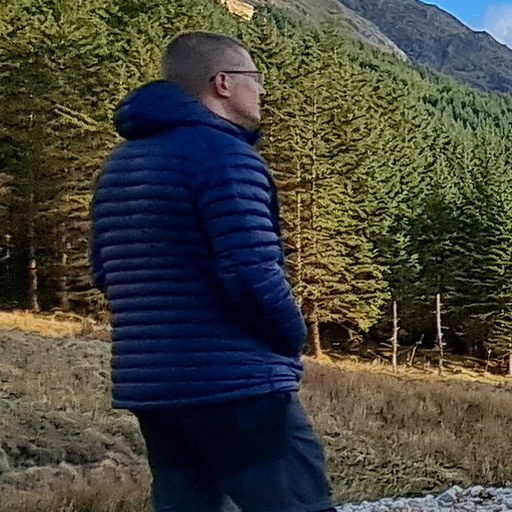
The Kerry Way is Ireland's longest waymarked walking trail — a roughly 214 km loop around the Iveragh Peninsula in County Kerry that most walkers complete in 8 to 9 days. It is a moderate, non-technical route that never climbs above 400 m, but it demands respect for Irish weather and roughly 4,600 m of cumulative ascent over its old droving paths and boggy mountain passes. The two best windows are late May to mid-June and September, when rainfall eases and daylight is longest.
Kerry Way Route: Stage-by-Stage Overview
The Kerry Way starts and finishes in Killarney and runs anticlockwise through the Black Valley, over the Iveragh mountains to the Atlantic coast at Cahersiveen and Waterville, then back inland via Sneem and Kenmare. It is a true loop, so no return transport is needed. Most walkers follow the classic nine-stage itinerary below; the GPS track on our Kerry Way trail page measures 205 km of walkable distance, slightly shorter than the often-quoted 214 km because waymarked road sections vary.
| Day | Stage | Approx. Distance | Terrain |
|---|---|---|---|
| 1 | Killarney → Black Valley | 22 km | Forest paths, lakeshore |
| 2 | Black Valley → Glenbeigh | 22 km | Mountain pass, open bog |
| 3 | Glenbeigh → Cahersiveen | 27 km | Coastal hills, road |
| 4 | Cahersiveen → Waterville | 19 km | Old roads, farmland |
| 5 | Waterville → Caherdaniel | 17 km | Coastal cliffs, ridge |
| 6 | Caherdaniel → Sneem | 18 km | Rolling hills, woodland |
| 7 | Sneem → Kenmare | 30 km | Bog road, river valley |
| 8–9 | Kenmare → Killarney | 37 km | Windy Gap, national park |
How Difficult Is the Kerry Way?
The Kerry Way is rated moderate. There is no scrambling, exposure or altitude to worry about — the highest point is the Windy Gap at around 380 m — but the cumulative effort is real: roughly 4,600 m of ascent spread across the loop, plus daily distances of 17–30 km. The genuine challenge is underfoot. Long stretches cross open blanket bog that holds water for days after rain, so wet, heavy feet are the norm rather than the exception. If you can comfortably walk 20–25 km a day on consecutive days carrying 8–10 kg, you have the fitness for it. Eight to twelve weeks of regular hill walking beforehand makes the back-to-back days far more enjoyable.
Best Time to Walk the Kerry Way
Late May to mid-June and September are the two standout windows. May and June bring the driest weather of the year on the Iveragh Peninsula and up to 17 hours of usable daylight, which takes the pressure off the longer 27–30 km stages. September offers quieter trails, settled early-autumn weather and open B&Bs before the off-season. July and August are walkable but busier and wetter, while November to February combine short daylight, waterlogged bog and many closed guesthouses — best avoided unless you are experienced and self-sufficient. Whatever the month, plan for rain on roughly half your days and pack accordingly.
What to Pack for the Kerry Way
Because the Kerry Way links villages with B&Bs and hostels, you do not need camping gear, and a sensible target is a base weight under 8 kg in a 35–50 L pack. A lightweight frame pack such as the Osprey Exos 48 (1,280 g) carries a week's clothing and food comfortably, while ultralight walkers can drop to the Zpacks Arc Haul Ultra 40L (540 g). For day-trippers tackling a single coastal stage, the smaller Osprey Talon 44 (900 g) is plenty.
The two non-negotiables are full waterproofs — a hardshell jacket and overtrousers that survive sustained Atlantic rain — and footwear that handles bog. Waterproof boots or trail shoes with gaiters keep you moving when the path turns to peat. Round it out with quick-dry layers, a warm midlayer for the exposed passes, blister care and at least one spare dry base layer sealed in a dry bag. For shorter Irish outings, the North Kerry Way makes a good two-day warm-up before committing to the full loop. The official route is maintained and waymarked by Sport Ireland; check current conditions and diversions on irishtrails.ie before you set off.
Frequently Asked Questions
How long does it take to walk the Kerry Way?
Most walkers complete the full 214 km loop in 8 to 9 days at an average of 20–27 km per day. Fit, fast walkers occasionally do it in 7 days by combining stages, while a more relaxed 10–11 day schedule lets you add rest days in Cahersiveen or Kenmare and explore the coast.
Do you need to camp on the Kerry Way?
No. The route is designed around villages with B&Bs, guesthouses and hostels at the end of every stage, so the vast majority of walkers stay indoors and carry no tent or sleeping bag. This keeps base weight low — under 8 kg is realistic — and is the main reason the Kerry Way suits less experienced multi-day hikers.
Is the Kerry Way well signposted?
Yes. The entire loop is waymarked with the yellow "walking man" arrows used on Ireland's National Waymarked Trails. Visibility on the open mountain sections can still drop quickly in cloud, so carry a map, a GPS track and a compass and know how to use them on the higher passes.
Which direction should you walk the Kerry Way?
The traditional direction is anticlockwise from Killarney, which tackles the toughest mountain stages early while you are fresh and saves the gentler coastal and woodland walking for later. Both directions are fully waymarked, but anticlockwise also keeps the prevailing south-westerly wind and rain more often at your back.
More Trail Planning
- Kerry Way Packing List 2026: What to Pack for Ireland's Longest Trail
- The Routeburn Track: Complete Guide to New Zealand's Alpine Great Walk
- When Should You Walk the Kerry Way? A Month-by-Month Answer
- Abel Tasman Coast Track Packing List 2026: Complete Great Walk Kit
- Best Time to Walk the Kerry Way 2026: Month-by-Month Weather Guide
- Multi-Day Hike Planning: The Complete Guide (2026)